
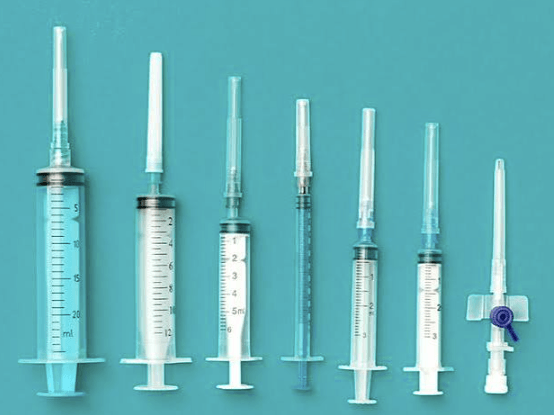
Since insulin dosing requirements vary considerably between patients, understanding the range of available insulin syringe sizes helps ensure patients and caregivers select the capacity genuinely appropriate for their specific prescribed dose. This guide walks through the common capacity options and selection considerations.
Common Capacity Options Available
Insulin syringes are commonly available in several standard capacities, typically including 0.3 milliliter, 0.5 milliliter, and 1.0 milliliter options, each corresponding to a different total unit capacity based on standard insulin concentration.
Matching Capacity to Prescribed Dose Range
Selecting the appropriate syringe size depends on the patient’s specific prescribed insulin dose, since using a syringe with a total capacity too small for the prescribed dose would be impractical, while using an oversized syringe for a very small dose can make precise measurement more difficult.
Calibration Increment Differences Across Sizes
Beyond total capacity, different syringe sizes often feature different calibration increments, with smaller capacity syringes sometimes offering finer graduation marks better suited to very precise small-dose measurement compared to larger capacity alternatives.
Considerations for Patients With Changing Dose Requirements
Patients whose insulin dosing requirements change over time, whether due to treatment adjustments or evolving clinical needs, should periodically reassess whether their current syringe size remains the most appropriate choice for their updated prescribed dose.
Consulting Healthcare Providers on Appropriate Sizing
Given the clinical importance of accurate insulin dosing, patients should work with their healthcare provider or pharmacist to confirm which specific syringe size and calibration best matches their individual prescribed dose rather than making this determination independently.
Practical Considerations for Dose Measurement Confidence
Choosing a syringe size where the prescribed dose falls comfortably within the readable range of the calibration markings, rather than at the very extreme edge of a syringe’s capacity, generally supports more confident, accurate dose measurement in practice.
Reviewing Available Size Options
For a more detailed breakdown of standard capacity options and their appropriate applications, reviewing information on insulin syringe sizes helps support informed selection matched to individual patient needs.
Frequently Asked Questions
What are the most common insulin syringe capacity options? Standard capacities typically include 0.3 milliliter, 0.5 milliliter, and 1.0 milliliter options, each corresponding to different total unit capacity based on standard insulin concentration.
Why might a smaller capacity syringe offer better precision for small doses? Smaller capacity syringes sometimes feature finer calibration increments, better suited to very precise small-dose measurement compared to the graduation spacing typical of larger capacity alternatives.
See also: From Missing Persons to Fraud Investigations – Chandigarh’s Best Detective Agencies
Who should patients consult when selecting an appropriate syringe size? Patients should work with their healthcare provider or pharmacist to confirm which specific syringe size and calibration best matches their individual prescribed dose rather than making this determination independently.
Final Thoughts
Selecting the appropriate insulin syringe size, matched carefully to individual prescribed dose requirements, supports both measurement accuracy and practical ease of use for patients managing diabetes through injectable insulin therapy. Consulting healthcare providers for personalized guidance remains an important part of this selection process.